
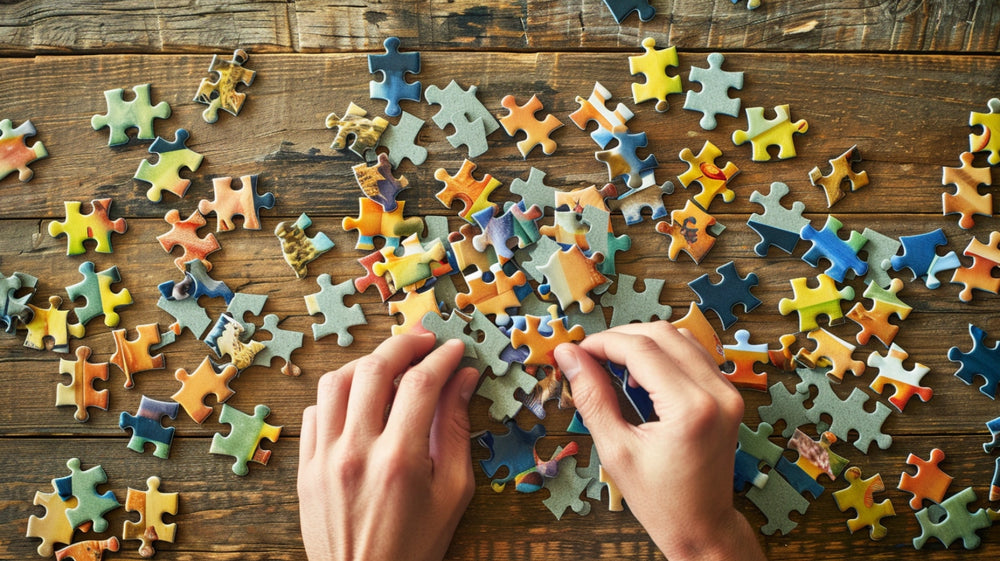
When solving a puzzle, a blend of logical thinking and problem-solving skills is your best tool. It's not just about spotting the obvious. Often, you need to think laterally, stretching your creativity to see solutions that aren't immediately apparent.
While these skills are essential, don't underestimate the power of patience and perseverance. You're likely to hit walls. But it's your ability to persist that often leads to breakthroughs. Are you curious to see how these skills play out in real-world scenarios? Let's get started!
Key Takeaways
- Logical thinking is essential to analyze patterns and deduce relationships in puzzles.
- Problem-solving skills help adapt strategies and make informed decisions.
- Pattern recognition allows for spotting visual elements and understanding their interconnections.
- Patience and perseverance are needed to explore solutions and persist through challenges methodically.
- Spatial awareness enhances the ability to visualize and mentally manipulate puzzle pieces.
What Skills Do You Need for Puzzles?
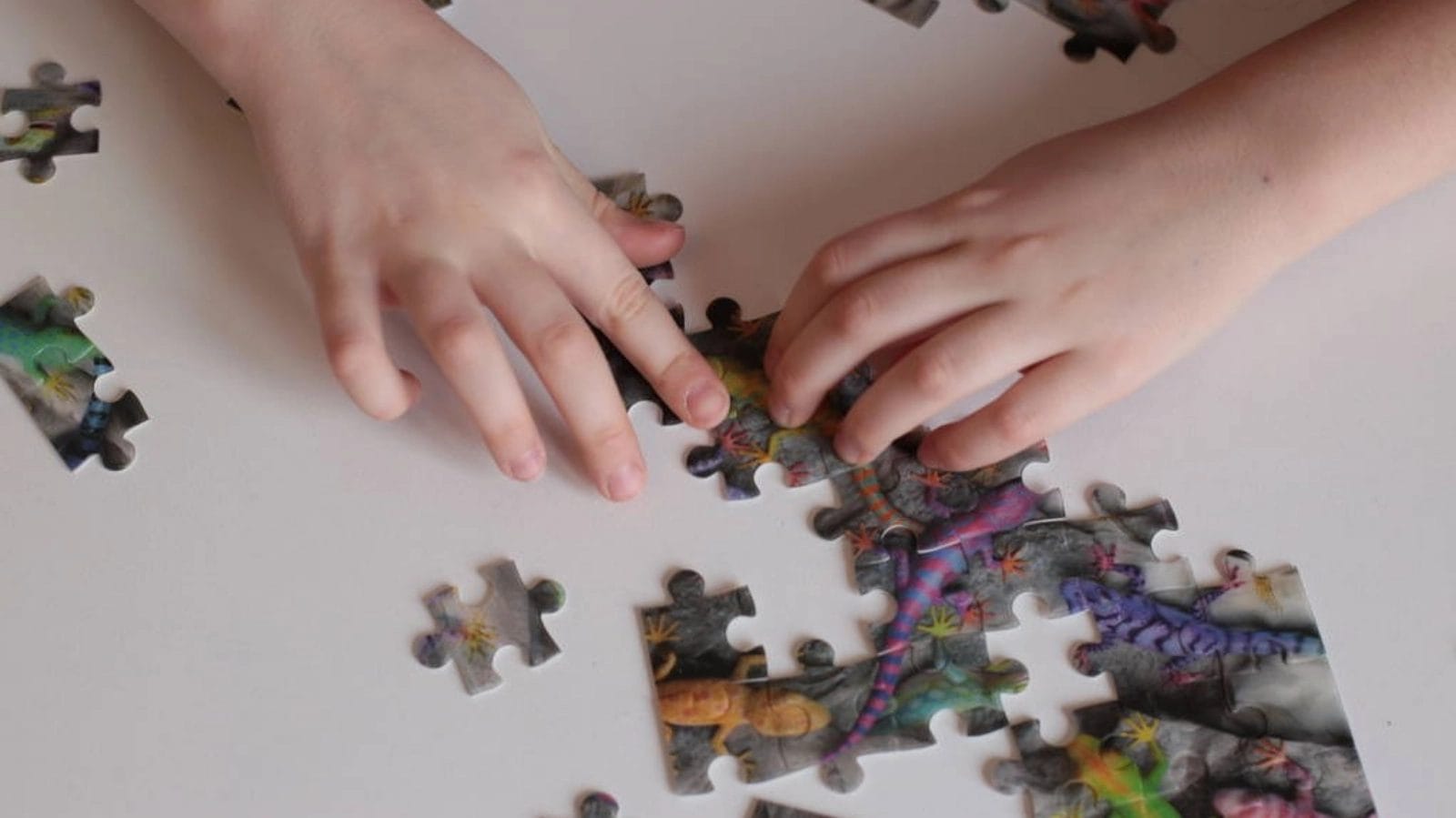
To excel in puzzle-solving, you need to hone a variety of skills.
1. Logical Thinking
While tackling jigsaw puzzles, you'll find that logical thinking is indispensable. It helps you analyze patterns, identify relationships, and make deductions to figure out where each piece fits. This skill isn't just about noticing obvious links. It's deeply connected to your problem-solving skills.
Logical thinking trains you in systematic problem-solving strategies. It hones abilities that are essential in puzzles and real-life situations.
2. Problem-Solving
In the world of puzzles, you'll recognize the importance of problem-solving skills. Your ability to analyze information and make logical deductions is critical.
When initial strategies fail, flexibility allows you to adapt and try new approaches. This analytical reasoning strengthens your capacity to evaluate options and make informed decisions.
Effective problem-solving also requires critical thinking to navigate complex challenges and find the best solutions. You'll often need to think outside the box and explore alternative paths. This is a valuable skill that puzzles can help develop.
3. Pattern Recognition
Pattern recognition is a vital skill for solving puzzles. This ability lets you identify and analyze various visual elements.
It's all about spotting how these aspects fit into the larger design. Grouping similar pieces and understanding their connections improves your visual-spatial reasoning and cognitive skills.
Additionally, your capacity to mentally manipulate these pieces, turning and flipping them in your mind, is indispensable.
Paying close attention to subtle differences helps you master shape analysis. This ensures that you see and, indeed, observe every detail.
4. Patience and Perseverance
Patience and perseverance aren't just virtues. They're essential skills you'll need when tackling puzzles. You'll often face moments of frustration as progress crawls. Here, patience becomes your ally, letting you test strategies and approaches without haste.
Perseverance is equally vital. It fuels your motivation to continue, even when solutions seem elusive. This tenacity guarantees you don't quit prematurely, pushing through challenges that appear formidable.
5. Spatial Awareness
Understanding spatial awareness is key to mastering puzzles. This skill helps you recognize patterns, shapes, and the spatial relationships between pieces. You'll need to develop strong mental rotation abilities. This ability allows you to visualize how different pieces could fit together if rotated or flipped. This type of visual-spatial thinking is essential.
As you work on puzzles, you're enhancing your spatial reasoning. It improves your ability to think in three dimensions. By practicing, you'll better envision the final picture and intuitively know where each piece belongs. Keep honing these skills, and puzzles become easier and more gratifying.
6. Creativity and Lateral Thinking
Creativity and lateral thinking are essential for finding innovative solutions. These skills empower you to think outside the box. You'll see puzzles as opportunities to explore multiple pathways and solutions.
Your ability to approach a puzzle from different angles sets you apart. Puzzle-solving is about making unexpected connections that others might miss and being flexible when your first attempt doesn't pan out. Embrace this open-ended exploration. Your willingness to experiment with different approaches will ultimately sharpen your puzzle-solving abilities.
7. Attention to Detail
In the world of puzzles, a sharp eye for detail is essential. Noticing subtle differences between similar puzzle pieces demands precise attention to detail. You must analyze each piece's shape, color, and pattern.
This level of observation is indispensable. It enhances your visual perception and fine motor skills. Thus, you can match distinctive features accurately.
8. Memory and Recall
To excel in puzzle-solving, you'll need a robust memory. This is important for recalling the intricate details of shapes, colors, and positions. Your short-term memory plays a critical role here. It helps you keep track of various elements and how they interconnect.
Playing puzzles regularly improves memory and helps you visualize and solve problems better. Additionally, recalling patterns quickly and accurately can improve your efficiency.
Try using mnemonic techniques to better remember key details. Those can be particularly handy during more complex puzzles. This strategy sharpens both your memory and overall puzzle-solving prowess.
9. Emotional Intelligence
You're not alone if you've ever felt frustrated while working on a puzzle. Managing emotions is a pivotal part of the puzzle-solving process. Emotional regulation keeps you calm and focused, allowing patience and persistence to flourish.
As you identify your reactions and adapt strategies, you enhance self-awareness. This is indispensable for overcoming challenging puzzles.
Solving puzzles with others can build empathy. Because you'll consider different perspectives to collaborate effectively.
Each completed puzzle helps boost your self-confidence. It equips you to tackle future challenges with resilience. Embracing these emotional skills not only helps in puzzling but enriches your daily life.
Conclusion
As you plunge into the world of puzzles, you'll sharpen your mind with several key skills. You'll need logical thinking to dissect problems and pattern recognition to spot connections. Your problem-solving abilities will grow as you tackle each challenge.
Remember, patience and perseverance are your best allies. Embrace creativity for those tricky moments, and keep an eye on the details. With improved memory and emotional intelligence, you'll enhance your daily life, too.
FAQs
What Skills Are Needed to Solve Puzzles?
You'll need spatial reasoning, logical thinking, and attention to detail. Problem-solving skills, patience, and the ability to visualize also help immensely. Practicing these skills enhances puzzle-solving and benefits overall cognitive development.
What Kind of Thinking Is Required for Puzzles?
To excel at puzzles, you'll need to engage in analytical and spatial thinking. Visualizing how pieces fit together and solving problems creatively are key. Sharpen these skills to enhance your puzzle-solving effectiveness.
What Skill Is Putting a Puzzle Together?
Putting a puzzle together requires patience, focus, and logical thinking. You also need to improve your problem-solving skills.
What's the Benefits of Puzzles?
Completing a puzzle improves memory, problem-solving, and hand-eye coordination. They reduce stress, boost mood, and enhance social skills. They offer mental exercise and improve visual-spatial skills.