
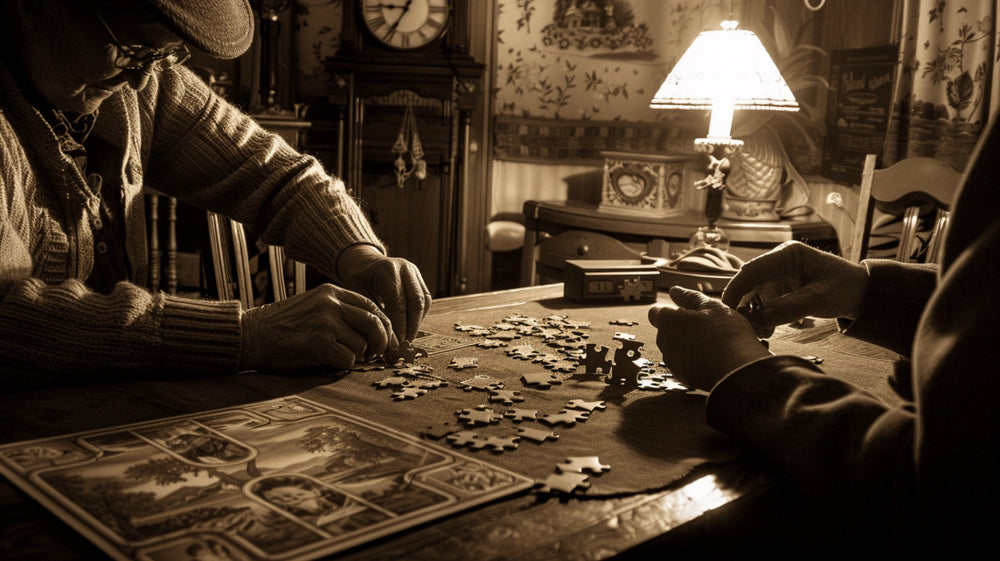
When did jigsaw puzzles become popular? These puzzles may seem like a long-time family favorite, but their popularity has an interesting history.
Wealthy Europeans used hand-cut wooden puzzles in the 1700s. But it wasn't until the 1800s that these fun challenges became popular.
Better technology and societal shifts transformed puzzles from rare luxuries into cherished activities. This evolution still influences how we play today.
Key Takeaways
- Jigsaw puzzles gained initial popularity among wealthy families in the 1760s. They were educational tools for teaching geography.
- In the 19th century, mass production and steam-powered saws made puzzles easy for everyone to access.
- During the Great Depression, puzzles surged in popularity. They were produced weekly as a cheap form of entertainment, reaching 10 million.
- After World War II, economic recovery sparked renewed interest in puzzles.
- The COVID-19 pandemic led to another surge in the popularity of puzzles.
The Early Days of Jigsaw Puzzles: Educational Beginnings
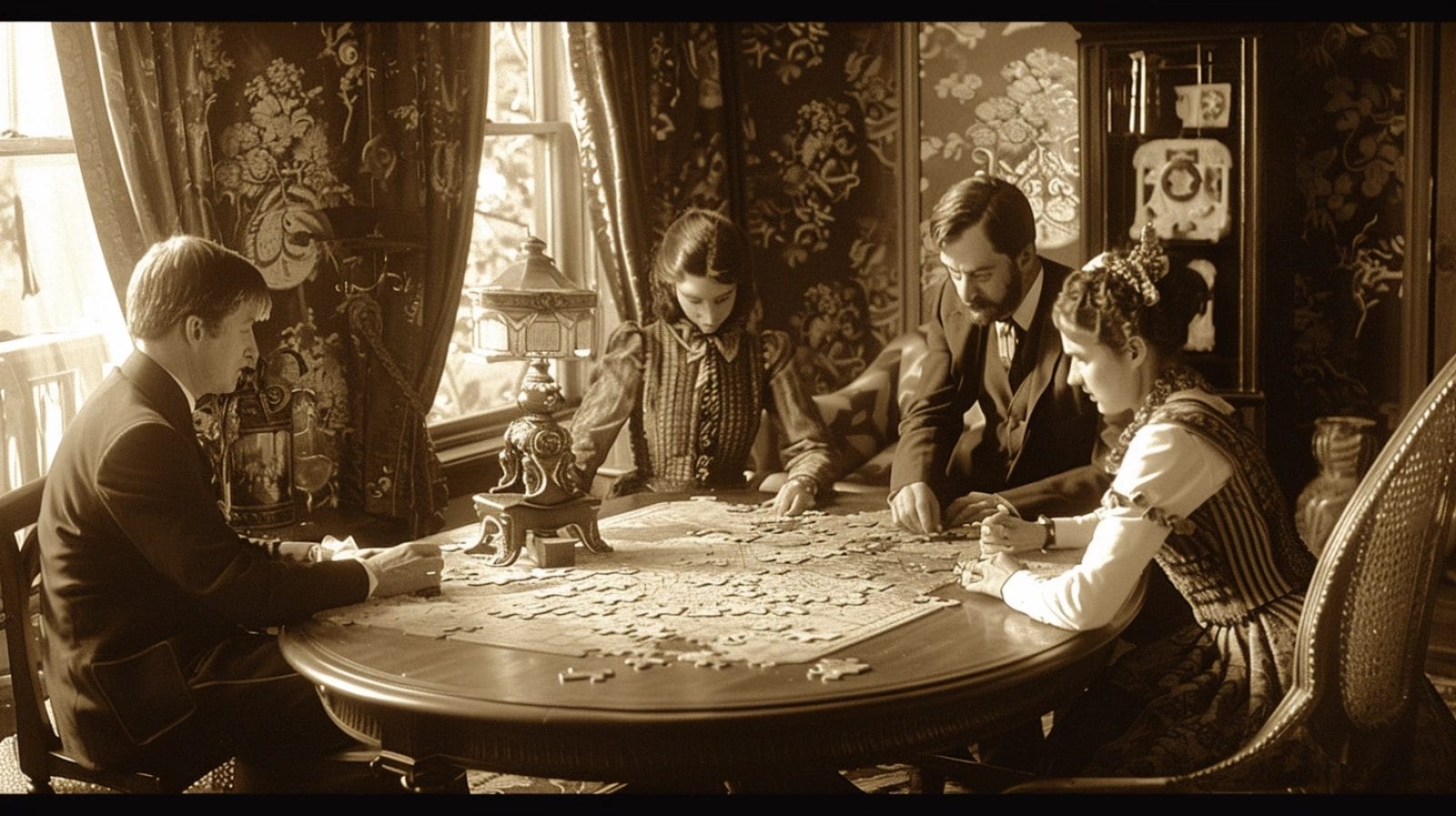
The origins of jigsaw puzzles trace back to three key developments in the 18th century.
John Spilsbury was a London cartographer and engraver. He created the first jigsaw puzzle around 1760.
These early puzzles were originally called dissections or dissected maps. They were made by mounting maps on hardwood sheets and cutting along national boundaries, making them useful for teaching geography.
These early puzzles were not meant for entertainment but for educational purposes. They helped wealthy children learn geography and spatial skills.
As handcrafted wooden pieces, early puzzles were exclusively available to affluent families who could afford them.
Teachers and tutors used these tools to enhance students' critical thinking and spatial reasoning.
The term "jigsaw puzzle" hadn't yet emerged. It would come later with the introduction of fretsaws.
The Rise of Jigsaw Puzzles in the 19th Century
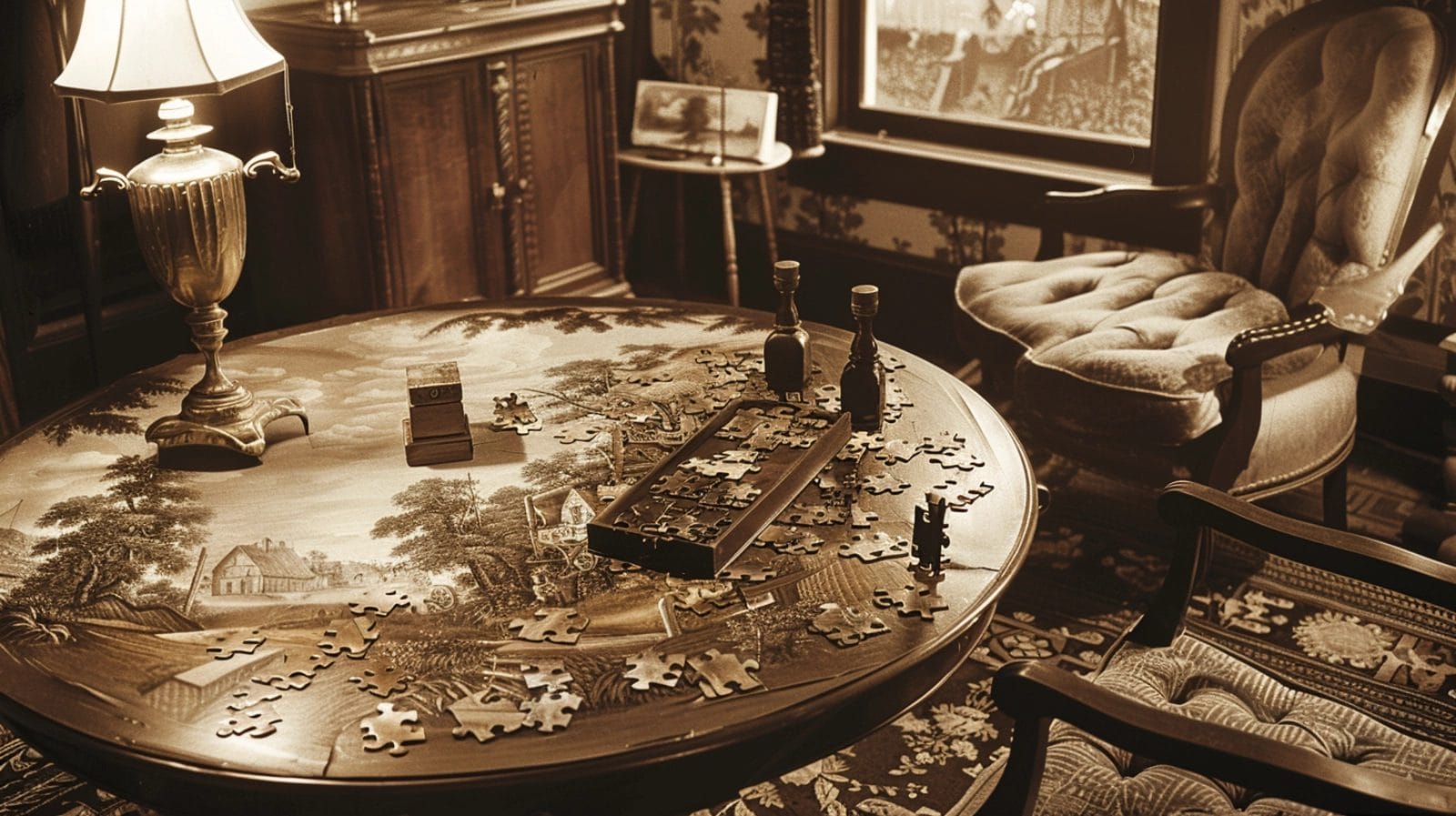
The 1800s marked a turning point for jigsaw puzzles. Innovations and social changes played a significant role in their popularity.
Innovations in Puzzle Design
During the transformative 19th century, revolutionary advances in puzzle-making technology reshaped how people enjoyed jigsaw puzzles.
Innovations in puzzle design took off with fretsaw, treadle saws, and steam-powered scroll saws. These saws enabled more intricate and precise cutting patterns.
Die-cut cardboard puzzles made the hobby more affordable. Meanwhile, improved printing techniques delivered vibrant, detailed images.
The introduction of interlocking pieces enhanced stability, making assembly more enjoyable.
You'd also discover new features like whimsical pieces and double-sided puzzles. They added complexity to the experience and cemented jigsaw puzzles as a popular pastime.
Cultural Adoption and Spread
After these design innovations, a cultural shift occurred in 19th-century society as jigsaw puzzles became popular.
Puzzle enthusiasts gathered in clubs and community events. They shared their passion and fostered social connections across different social classes.
Puzzles became more affordable through die-cut cardboard production. This transformed puzzles from luxury items into mainstream entertainment.
The enhanced printing technology delivered vivid, colorful images that captured imaginations everywhere.
The democratization of leisure activities allowed everyone to enjoy the same engaging pastimes. This marked a significant change in how people spent their recreational time.
Jigsaw Puzzles in the 20th Century
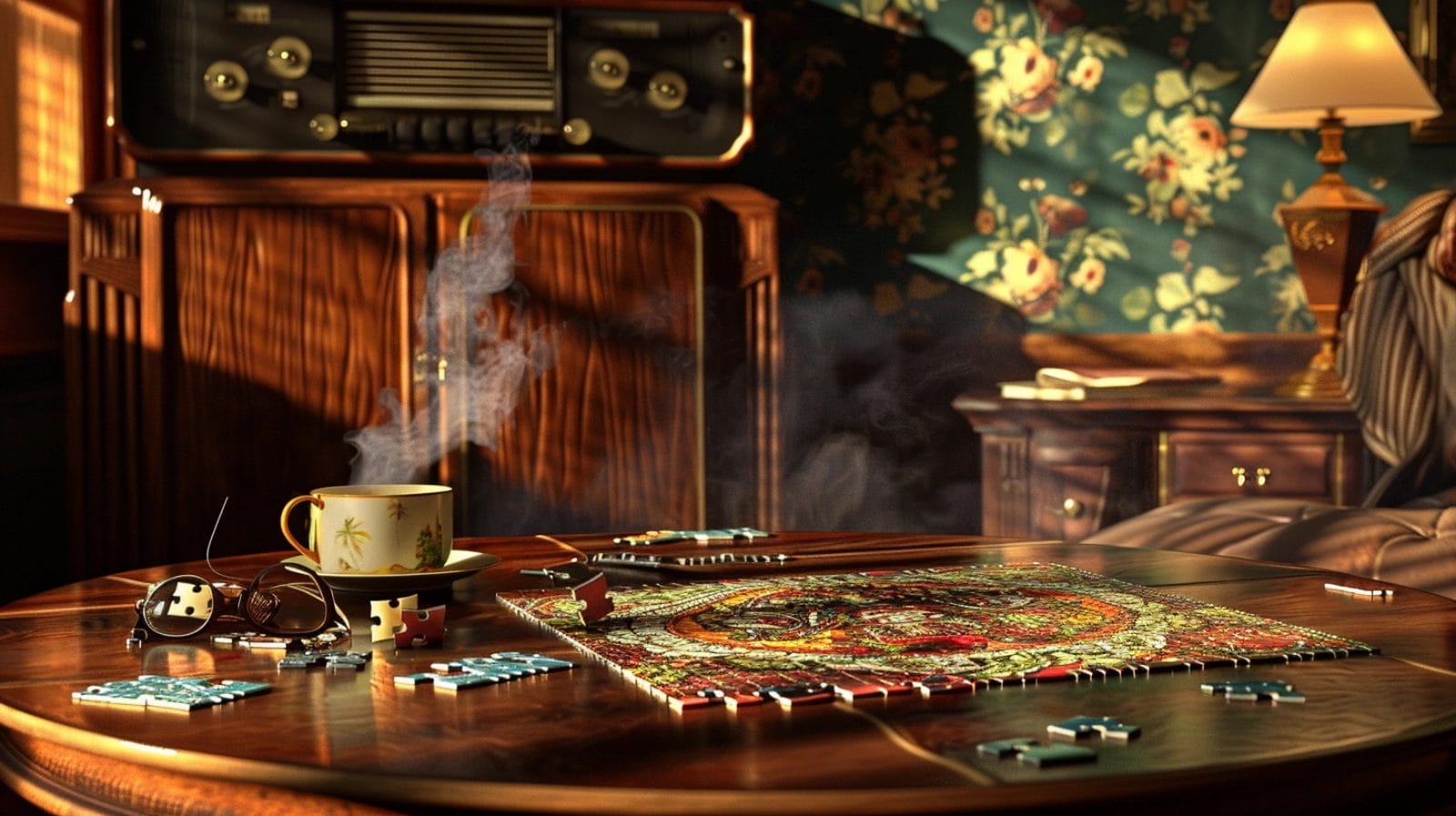
Jigsaw puzzles reached remarkable heights during the Great Depression. Their production soared to 10 million puzzles weekly.
The Puzzle Craze of the 1930s
The Great Depression of the 1930s sparked an unexpected cultural phenomenon: a nationwide obsession with jigsaw puzzles.
Despite widespread economic hardship, you could rent puzzles for just a nickel a night. This made them an accessible form of entertainment for struggling families.
Puzzle production reached staggering heights. Manufacturers were churning out 10 million puzzles weekly by February 1933.
These tabletop diversions offered more than just entertainment. They provided a peaceful escape from daily worries. Moreover, they brought families together during tough times.
This puzzle craze during the Great Depression created a lasting legacy that influenced the hobby for generations.
Post-War Puzzle Trends
The Great Depression had established puzzles as a beloved pastime. Post-war America embraced them with renewed enthusiasm.
More families gathered around tables to piece together affordable cardboard designs. These cardboard designs were gradually replacing traditional wooden puzzles.
Post-war puzzle trends reflected changing times. Manufacturers introduced diverse themes and styles to suit every interest.
Even as television gained prominence in the 1950s and 60s, puzzles remained cherished.
By the 1970s, they'd become a household staple. Manufacturers pushed boundaries with increasingly complex designs.
The late 20th century saw the emergence of massive puzzles. They broke records for size and piece count.
Modern Popularity and Digital Transformation
The COVID-19 pandemic sparked an unprecedented surge in the popularity of jigsaw puzzles. Millions of people turned to this classic pastime.
The Pandemic Puzzle Boom
During global lockdowns in 2020, jigsaw puzzles experienced an unprecedented renaissance. Millions were looking for engaging indoor activities.
Puzzle sales skyrocketed. The demand for jigsaw puzzles was so intense that manufacturers struggled to keep up, leading to widespread shortages.
You'll find that puzzling became more than just a pastime. It transformed into a digital phenomenon.
Online communities flourished at that time. Enthusiasts shared their completed works and participated in virtual competitions. This showed that the centuries-old hobby could adapt to modern times while promoting mental wellness and family connections.
The Future of Jigsaw Puzzles
Modern jigsaw puzzles have evolved far beyond their cardboard origins. They seamlessly blend traditional charm with digital innovation.
Puzzle enthusiasts connect through online communities and virtual competitions. This breaks geographical barriers while sharing their passion.
Digital platforms now offer interactive puzzle experiences on your devices. Meanwhile, manufacturers create customized puzzles that cater to your specific interests.
The rise in puzzle popularity during the pandemic has led to new innovations. These developments occurred in both physical and digital formats.
As technology advances, you can expect more hybrid puzzle experiences. These will combine traditional hands-on assembly with digital enhancements, ensuring the pastime captivates future generations.
Conclusion: When Did Jigsaw Puzzles Become Popular?
Jigsaw puzzles have evolved from exclusive educational tools to beloved entertainment over the centuries. Since their invention, they have captured imaginations. Their popularity grew in the 19th century due to better manufacturing.
Whether piecing together a traditional cardboard puzzle or trying digital versions today, you're participating in a pastime that has brought people together for generations.
FAQs
When Did Jigsaw Puzzles Become Popular?
Jigsaw puzzles became popular in the 19th century. Since then, they've experienced multiple popularity booms: during the 1900s, the Great Depression, the post-WWII era, and, most recently, COVID-19.
What Do You Call Someone Who Is Good at Jigsaw Puzzles?
You can call them " puzzlers" or "puzzle enthusiasts." These experts showcase their talents in competitions and share their techniques with other puzzle enthusiasts.
What Happens to Your Brain When You Do a Jigsaw Puzzle?
When you work on a jigsaw puzzle, you activate multiple brain regions. These will improve your memory, problem-solving skills, and spatial reasoning. You engage both brain hemispheres and experience stress relief through the meditative process.
When Was the Golden Age of Jigsaw Puzzles?
The golden age of jigsaw puzzles peaked twice. The first peak was around 1908, when they were used as upper-class entertainment. Then, during the Great Depression, their production reached 10 million puzzles weekly.